Valve Brings Back the Steam Controller: What You Need to Know
Valve has reopened reservations for the Steam Controller, the customizable gaming peripheral it discontinued in 2019. Using a reservation queue similar to the Steam Deck launch, Valve is bringing back
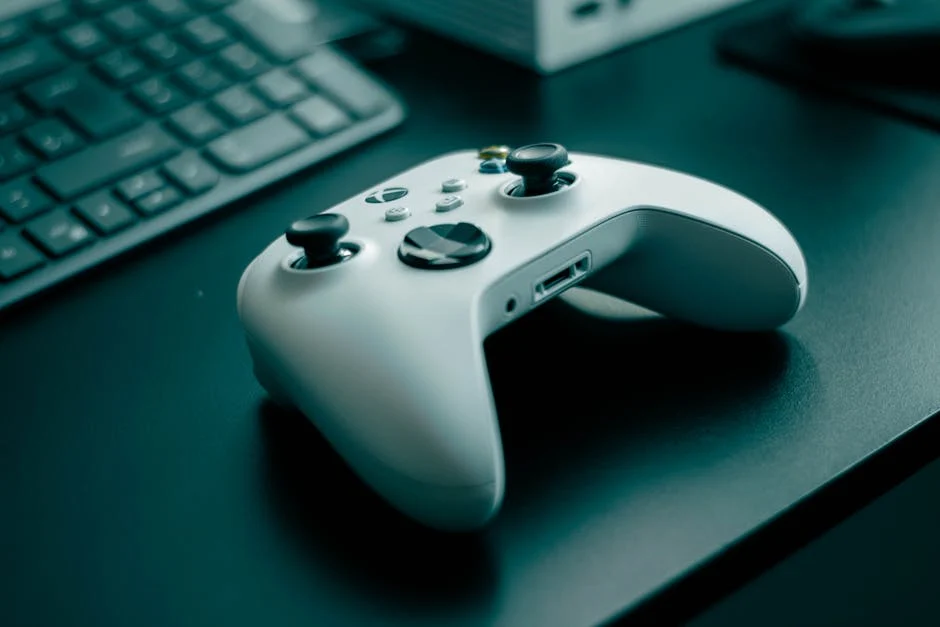
Valve opened a reservation queue for the Steam Controller on May 8th, bringing back the gaming peripheral after years of being unavailable. The Steam Hardware community group announced the news through official channels. Once you reserve one, your place in line is locked in until Valve ships it to you.
How the Reservation System Works
This distribution approach follows the same method Valve used for the Steam Deck launch. When you enter the reservation queue, you keep your spot without worrying about flash sales or limited-time windows where you might miss out. Valve refined this system because demand was so high that immediate availability wasn't possible—the company had to manage manufacturing in stages rather than all at once.
This addresses a real frustration from before: when the Steam Controller was discontinued, anyone interested in buying one had to catch random restocks. With a queue system, Valve can connect actual customer demand with how many units it can make.
What the Steam Controller Is and Why It Vanished
The Steam Controller launched in 2015 with an unusual design: instead of the traditional thumb sticks you find on most controllers, it used two touch-sensitive pads (called trackpads) and haptic feedback—vibrations that simulate the feel of different surfaces. You could reprogram it extensively through Steam's software, mapping buttons and movements to suit different games or applications.
It was designed for a specific job: letting people play keyboard-and-mouse games—like strategy games or desktop applications—from their couch by giving precise cursor control. It found passionate fans in that niche, but the learning curve was steep for people used to standard controllers.
Manufacturing stopped in 2019. Several things happened at once: Valve's bigger "Steam Machines" initiative (a push for Valve-friendly PC gaming boxes) hadn't caught on the way Valve hoped. Traditional console-style controllers remained more popular for couch gaming. And Valve's focus shifted to VR headsets and eventually to the Steam Deck handheld.
Why Bring It Back Now?
The timing makes sense when you look at what Valve is doing right now. The Steam Deck has been a genuine success, and it proved Valve can actually make good hardware. The company also still sells the Index, a premium VR headset. A revived Steam Controller could work well with both: it could give Steam Deck owners another way to play when docked at home, and it could offer the precise control some VR games demand.
More broadly, we have seen this pattern before across the industry: Apple brought back MagSafe charging, Microsoft revived compact keyboards, and Valve itself reintroduced Half-Life through Alyx after years of no new games. What looked like a failure earlier can find new purpose when markets shift or when other technologies create new reasons to use it.
The timing also matters because other companies like ASUS and Lenovo are now making handheld gaming PCs of their own. Valve may be positioning the Steam Controller as part of a wider ecosystem where multiple devices can use the same software and input methods.
What Games Would Actually Use It?
Modern gaming landscape has shifted since 2015. Competitive shooters and battle royale games—the fast-paced, high-stakes titles that dominate right now—favor the traditional stick-and-button layout of standard controllers. Those games reward split-second reactions, and most players have trained muscle memory with familiar designs.
But the Steam library also includes lots of strategy games, simulation titles, and indie releases where a keyboard-and-mouse approach matters. That's where the Steam Controller's programmability shines. Through Steam Input, you can build complex custom layouts, layer different control schemes, and create macros that remap buttons and movements in ways a standard controller simply cannot do. For accessibility—helping people with disabilities or different physical needs play games—this customization can be genuinely valuable.
The Steam Deck itself has already validated trackpad input for certain types of games. The Deck has two trackpads that do important work in mouse-heavy games and when you're navigating the desktop. That real-world experience suggests Valve learned something from years of people using the trackpad approach in their hands.
The broader picture here is that Valve seems committed to offering different kinds of input rather than assuming everyone should use the same controller design. The reservation queue approach tells us Valve isn't expecting to mass-produce these at console-level volumes—it will start slowly and measure demand as it goes.
The controller market has actually consolidated quite a bit since 2019. Microsoft's Xbox controller is the standard for PC gaming, and Sony's DualSense has gained ground because Steam now natively supports it. If Valve does refine the Steam Controller and release it in volume, it would appeal primarily to the people whose needs those other controllers don't quite meet: folks playing strategy games from the couch, people using accessibility features, and enthusiasts who want total customization.
For game developers, the Steam Controller's return raises a question: should you design with alternative input methods in mind, especially for games targeting Steam. The controller can enable gameplay mechanics that are hard to implement with standard dual-stick setups, though whether developers will invest time in it depends on how many people actually own one.


