Light Phone III Adds a Camera and Opens Its Platform to Developers
Light Phone has built prototypes of its third-generation device and plans to open its LightOS platform to outside developers. The Light Phone III adds a camera for the first time while keeping the min
Light Phone III Adds a Camera and Opens Its Platform to Developers
Light Phone has built working prototypes of its third-generation phone and announced plans to release a software development kit for LightOS, the company's custom operating system. The move marks a shift in how the Brooklyn-based company thinks about its distraction-free phones. For the first time, the Light Phone III will include a camera, along with practical tools like an alarm, calculator, and calendar.
Light Phone has sold around 100,000 devices over the past decade to people looking for an alternative to the attention-grabbing design of mainstream smartphones. The company's approach is straightforward: use E-ink displays (the same technology found in e-readers) and limit features intentionally. The current Light Phone II offers calling, texting, and navigation — all on a simple black-and-white screen.
How Light Phone Built Its Operating System
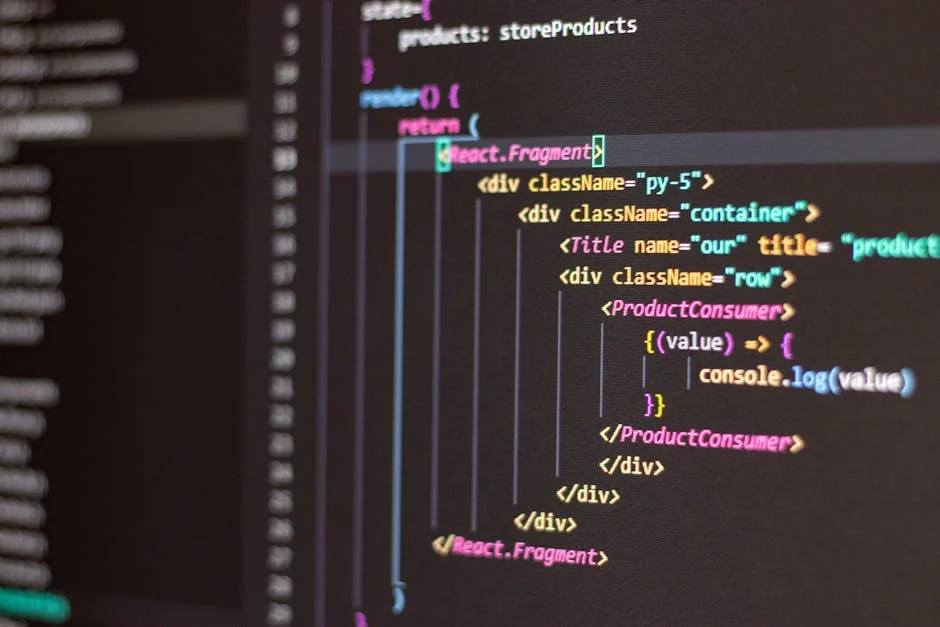
Light Phone developed LightOS using React Native, a framework that lets developers write code once and run it across different devices and platforms. The company created a test app to check whether the underlying architecture would work on the Light Phone III before building the actual hardware.
The first hand-assembled prototypes now let the team verify that both the physical hardware and the software work together as intended. Light Phone also built a web-based dashboard that lets users choose which tools and features they want active on their device.
React Native was a practical choice for a small company. Rather than writing specialized code from scratch for their own phones, Light Phone can use the broad ecosystem of web developers already familiar with React Native. This lets them stay lean while still supporting multiple phone models over time.
Opening the Platform to Outside Developers
Light Phone's announcement of an SDK — a toolkit for developers to build apps — represents the company's first time opening its platform to outsiders. The company hasn't yet detailed how apps will be approved, licensed, or distributed.
Here's the tension worth noting: Light Phone's entire selling point is curated simplicity. Customers choose Light Phone specifically to get away from the endless notifications and algorithm-driven feeds on regular smartphones. Opening the platform to third-party apps creates a risk. More apps could mean more clutter, which contradicts the core reason people buy the device in the first place.
We saw something similar in the late 1990s when Palm opened its platform to developers. But there's a key difference. Palm wanted as many apps as possible. Light Phone is saying it will be selective, treating minimalism as a design constraint rather than just a marketing angle. Whether that actually holds as the app ecosystem grows will be crucial to whether this strategy works long-term.
A Camera and E-Ink Battery Life
Light Phone listened to customer feedback and added a camera to the Light Phone III. Putting a camera on an E-ink display raises some real technical questions — how do you show a viewfinder on a screen that updates slowly — but Light Phone hasn't explained their approach yet.
The company is keeping E-ink displays for the third generation, which reinforces a tradeoff they've made from the beginning. E-ink uses power only when the screen changes, so it lasts for days on a single charge. Standard smartphone screens — OLED or LCD — look sharper and update faster, but drain the battery much quicker. Light Phone is betting that battery life and outdoor readability matter more to their users than having the latest display technology.
Light Phone occupies a deliberately narrow market niche. While major phone makers race to pack in AI features and computational photography and ever-growing feature lists, Light Phone heads in the opposite direction: reliable communication without algorithmic feeds, notifications, or entertainment.
The Engineering Reality
The React Native choice also reflects Light Phone's budget constraints as an independent hardware maker. Building and maintaining specialized code for your own operating system requires expertise and money that smaller companies struggle to sustain across multiple product generations.
By using React Native, Light Phone taps into a much larger pool of available developers while keeping their code flexible as they release new phone models. They trade some performance for speed and cost — a reasonable choice for devices that do basic communication and productivity tasks rather than complex graphics or gaming.
The web-based dashboard for managing LightOS follows the same cost-conscious thinking. Instead of building separate apps for iPhone and Android to let users control their Light Phone, they built a browser tool that works on any device.
The broader question here is whether Light Phone can attract developers who actually share their philosophy. Most app developers optimize for user engagement and time spent in the app — the opposite of what Light Phone stands for. The platform will need to build a community of developers focused on genuinely useful tools rather than addictive experiences.
Light Phone's prototypes show the company has matured. They have proven demand from customers, established relationships with manufacturers, and now a plan to let external developers build for their platform. Whether the minimal-phone market expands beyond its current early adopters will shape what Light Phone becomes next.

