Light Phone III Adds a Camera, Opens Its Platform to Other Developers
Light Phone, a company known for making intentionally simple phones, has built working prototypes of its newest model with a camera and plans to let outside developers create apps for it. The move bri
Light Phone III Adds a Camera, Opens Its Platform to Other Developers
Light Phone has built working prototypes of its newest phone and plans to let outside developers create apps for it. The Light Phone III will have a camera — a first for the company — plus basic tools like an alarm, calculator, and calendar.
Light Phone is a small company based in Brooklyn that has sold around 100,000 phones over the past decade. It makes phones designed to do the opposite of what most people expect from a smartphone. Instead of trying to do everything, Light Phone phones intentionally do very little. They use E-ink screens (the same technology found in e-readers like Kindle), show information in black and white, and lack the news feeds, notifications, and games that consume time on regular iPhones and Android phones. The current model lets you call, text, and navigate.
How It's Built and Why That Matters
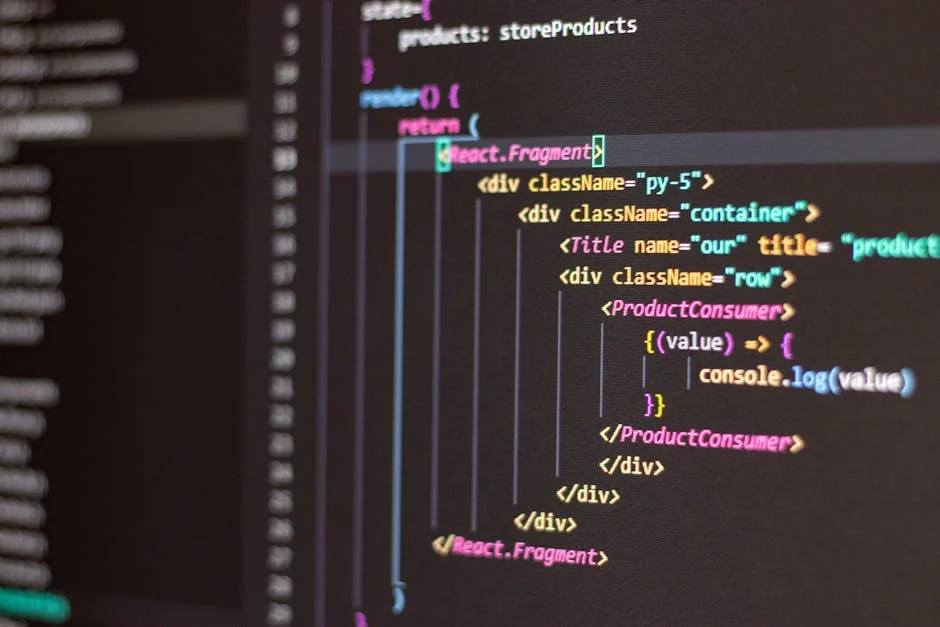
Light Phone built its operating system, called LightOS, using a programming approach called React Native. This is important because it allows Light Phone to hire regular web developers instead of specialists who know only phone software. It also means the company can more easily update the phone and add new features without starting from scratch every time.
The company plans to release tools that let outside developers build apps for Light Phone. The company hasn't said yet how that will work — which apps get approved, how much they cost, or how people will download them — but the announcement suggests Light Phone is confident the software works well enough to share it.
The Tradeoff: Simplicity Versus Freedom
Here's the catch. Light Phone's whole idea is to be simple. People buy these phones to escape the endless notifications and scrolling that come with regular smartphones. If too many apps become available, the phone could become just as distracting as any other phone.
Light Phone faces a real tension here. We have seen this before, decades ago, when a company called Palm opened up its platform to developers. The risk is that by letting anyone build apps, the company could accidentally become the thing it was designed to escape. The success of this move will depend on whether Light Phone can attract developers who care about making useful tools rather than addictive apps that keep people staring at screens.
The Camera and the E-ink Advantage
The addition of a camera is the feature people have asked for most. This creates an interesting problem: how do you show what the camera is seeing on an E-ink screen? E-ink is great for reading text and looking at images you've already taken, but it's slower than the screens in regular phones. Light Phone hasn't explained yet exactly how the camera will work on this device.
The reason Light Phone uses E-ink at all is battery life. These screens only use power when the image changes, so a Light Phone can go days without charging. A regular smartphone with an OLED or LCD screen drains power constantly, even when you're not looking at it. That battery difference is real and substantial.
Building a Smaller Phone, the Resourceful Way
Light Phone is a small independent company competing against Apple and Google, which spend billions on phones. By using React Native and a web-based dashboard for device settings, Light Phone reduces the amount of specialized work it has to do. This isn't a compromise born from weakness — it's a practical choice that lets the company move faster and focus engineering effort on what makes Light Phone different.
The bigger question is whether Light Phone's niche is large enough to sustain a company long-term. The phone market itself is dominated by just a handful of companies, all betting that more features and more power is what people want. Light Phone is betting the opposite. The company has proved there is a market for this — 100,000 customers over a decade is a real business — but whether that market grows beyond early adopters and people who deliberately reject mainstream technology remains to be seen.
The Light Phone III represents a maturity in the company's approach. It has real demand from customers, established relationships with manufacturers, and now a plan to let others build on its platform. Whether that strategy helps or hurts the core idea of a distraction-free phone is the question that will shape its future.

