Light Phone III Advances Minimal Mobile Computing with Developer SDK and React Native Architecture
Light Phone has assembled first prototypes of its Light Phone III minimal smartphone and announced an SDK for its React Native-based LightOS platform. The third-generation device will include a camera
Light Phone III Advances Minimal Mobile Computing with Developer SDK and React Native Architecture
Light Phone has assembled first working prototypes of its third-generation minimal smartphone and announced plans to release a software development kit for its LightOS platform, marking a significant evolution in the company's approach to distraction-free mobile computing. The Light Phone III will include a camera for the first time in the product line, alongside core productivity tools including alarm, calculator, and calendar functions.
The Brooklyn-based company has reached 100,000 cumulative device sales over its decade-long run, establishing a niche market for users seeking alternatives to conventional smartphone interfaces. Light Phone's approach centers on E-ink displays and deliberately constrained feature sets, with the Light Phone II currently offering calling, texting, and basic navigation through a monochrome screen interface.
Technical Architecture and Development Platform
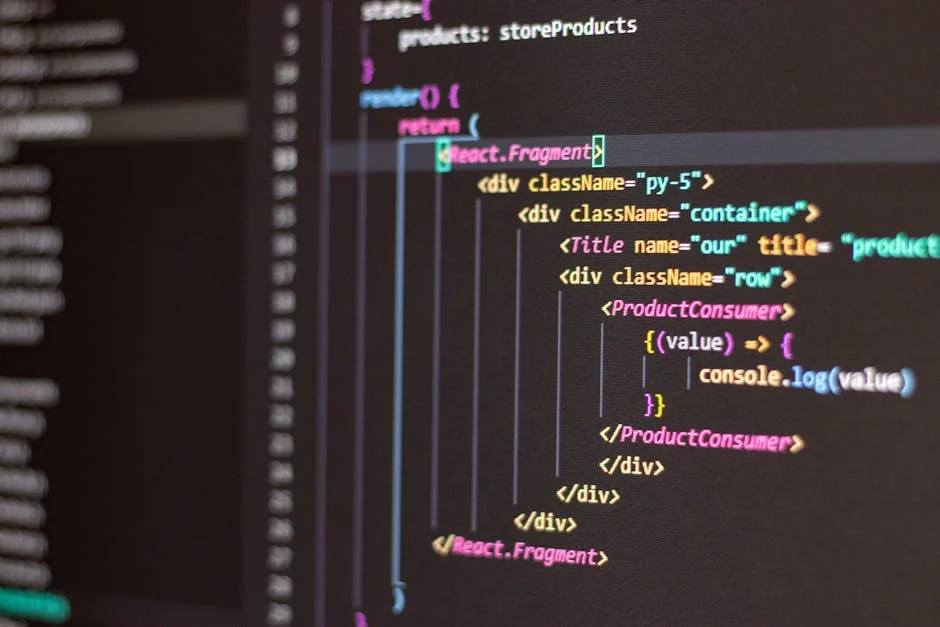
Light Phone has built LightOS using React Native, creating a cross-platform foundation that will support third-party development through the planned SDK release. The company developed a demo application to validate architectural decisions for the Light Phone III, running engineering validation tests on core system components before moving to prototype assembly.
The first hand-assembled prototypes allow verification of both hardware integration and LightOS software architecture on the target device. Light Phone manages LightOS configuration through a web-based dashboard system, enabling users to control which tools and features remain active on their devices.
The React Native foundation represents a pragmatic technical choice for a small hardware company. Rather than building native platform code from scratch, Light Phone leverages existing web development skills and cross-platform frameworks to maintain a lean engineering organization while supporting multiple device generations.
Developer Platform Strategy
The announcement of an SDK for LightOS opens Light Phone's platform to external developers for the first time. The company has not specified licensing terms, approval processes, or distribution mechanisms for third-party applications, but the move suggests confidence in both the technical stability of LightOS and market demand for minimal computing applications.
This represents a calculated risk for Light Phone's product positioning. The company's core value proposition rests on curated simplicity — users choose Light Phone specifically to escape the notification-heavy, attention-fragmenting patterns of conventional smartphones. Opening the platform to third-party development introduces potential complexity that could undermine this differentiation.
Looking at this expansion in the context of mobile platform history, we have seen this pattern before when Palm opened its platform to developers in the late 1990s and early 2000s. The difference here lies in Light Phone's explicit commitment to minimalism as a design constraint, rather than feature maximization. Whether the SDK maintains these principles or gradually expands beyond them will determine the long-term viability of the approach.
Hardware Evolution and Market Position
The addition of a camera to the Light Phone III addresses one of the most frequently requested features from the existing user base. Camera functionality on E-ink displays presents interesting technical challenges around viewfinder implementation and image preview, though Light Phone has not disclosed specific interface approaches for the Light Phone III.
The company's decision to maintain E-ink display technology for the third generation reinforces its commitment to battery longevity and outdoor readability over conventional smartphone display characteristics. E-ink screens consume power only during state changes, enabling multi-day battery life that conventional OLED or LCD smartphones cannot match.
Light Phone's position in the mobile market remains deliberately narrow. With major smartphone manufacturers focusing on AI integration, computational photography, and increasingly complex feature sets, Light Phone targets users seeking the opposite trajectory — reliable communication tools without algorithmic feeds, push notifications, or entertainment applications.
Platform Sustainability and Development Resources
The React Native architecture choice also signals Light Phone's resource constraints as an independent hardware company. Building and maintaining native platform code requires specialized expertise and ongoing development resources that smaller companies struggle to sustain across multiple product generations.
By leveraging React Native, Light Phone can draw from the broader web development talent pool while maintaining code portability across device iterations. This approach trades some performance optimization for development velocity and resource efficiency — a reasonable compromise for devices focused on basic communication and productivity tasks rather than graphics-intensive applications.
The web-based dashboard for LightOS configuration follows similar resource-conscious design principles. Rather than building dedicated mobile applications for device management, Light Phone provides browser-based tools that work across desktop and mobile platforms without additional development overhead.
Worth flagging: the success of Light Phone's SDK strategy will depend heavily on attracting developers who share the company's design philosophy. Traditional mobile app developers optimize for engagement and retention metrics that conflict directly with Light Phone's minimalist positioning. The platform will need to cultivate a different developer community focused on utility over engagement.
The Light Phone III prototypes mark a maturation point for the company's hardware and software capabilities. With proven market demand, established manufacturing relationships, and now a developer platform strategy, Light Phone has built the foundation for sustained presence in the minimal mobile computing segment. Whether that segment expands beyond early adopters will determine the long-term significance of this architectural evolution.

